1010Computers | Computer Repair & IT Support

Global smartphone sales plummeted 20% in Q1, thanks to COVID-19

More dismal numbers confirm what we already knew: Q1 2020 was real rough for an already struggling smartphone category. Gartner’s latest report puts the global market at a 20.2% slide versus the same time last year, thanks in large part to fallout from the COVID-19 pandemic.

Every single one of the global top-five manufactures saw large declines for the quarter, save for Xiaomi, which saw a slight uptick of 1.4%. The Chinese handset maker got a surprise bump, courtesy of international sales. Samsung and Huawei and Oppo all saw double-digit drop-offs at 22.7%, 27.3% and 19.1%, while Apple declined 8.2%. Other companies combined for a sizable 24.2% loss for Q1.

The reasons are ones we’ve gone over several times before, nearly all pertaining to the global pandemic. Chief among them are global stay at home orders and general economic uncertainly. Issues with the global supply chain have no doubt been a factor, as well, as Asia was the first to get hit with the virus.

All of this comes in addition to an already plateauing/declining smartphone market. Analysts had expected that the arrival of 5G would help stem the tide a bit — but, well, some stuff happened in there. Notably, Apple’s slide wasn’t as bad as it might have been thanks to a strong start to the year.

“If COVID-19 did not happen, the vendor would have likely seen its iPhone sales reached record level in the quarter. Supply chain disruptions and declining consumer spending put a halt to this positive trend in February,” Gartner’s Annette Zimmermann said in a release. “Apple’s ability to serve clients via its online stores and its production returning to near normal levels at the end of March helped recover some of the early positive momentum.”

Overall, I suspect that recovery won’t be instantaneous for the market. The future of COVID-19 still feels largely uncertain as countries have begun the process of reopening, and a pricey investment still may not be in the cards for many who are struggling to make ends meet. 

Powered by WPeMatico

6 VCs share their bets on the future of work

As tech companies like Twitter and Facebook gear up for longer-term remote work solutions, the future of work is becoming one of the more exciting opportunities in venture capital, Charles River Ventures general partner Saar Gur told TechCrunch.

And as loneliness mounts with shelter-in-place orders implemented in various forms across the world, investors are looking for products and services that foster true connection among a distributed workforce, as well as a distributed society.

But the future of work doesn’t just entail spinning up home offices. It also involves gig workers, freelancers, hiring tools, tools for workplace organizing and automation. The last couple of years have particularly brought tech organizing to the forefront. Whether it was the Google walkout in 2018 or gig workers’ ongoing actions against companies like Uber, Lyft and Instacart for better pay and protections, there are many opportunities to help workers better organize and achieve their goals.

Below, we’ve gathered insights from:

Saar Gur, Charles River Ventures 

What are you most excited about in the future of work?

Future of work is one of the most exciting opportunities in venture.  

Pre-COVID, few tech companies were fully remote. While it seems obvious in retrospect, the building blocks for fully remote technology companies now exist (e.g. high-speed internet, SaaS and the cloud, reliable video streaming, real-time documents, etc.). And while SIP may be temporary, we feel the TAM of fully remote companies will grow significantly and produce a number of exciting investment opportunities.

I don’t think we have fully grokked what it means to run a company digitally. Today, most processes like interviewing, meetings and performance/activity tracking still live in the world of atoms versus bits. As an example, imagine every meeting is recorded, transcribed and searchable — how would that transform how we work?   

There is an opportunity to re-imagine how we work. And we are excited about products that solve meaningful problems in the areas of productivity, brainstorming, communication tools, workflows and more. We also see a lot of potential in infrastructure required to facilitate remote and global teams.

We are also excited by companies that are enabling new types of work. Companies like Etsy (founded 2005), Shopify (2004), TaskTabbit (2008), Uber (2009), DoorDash (2013) and Patreon (2013) have helped create a new workforce of entrepreneurs. But many of these companies are over a decade old and we fully expect a new wave of companies that give more power to the individual.

Powered by WPeMatico

Startups Weekly: Remote-first work will mean ‘globally fair compensation’

Editor’s note: Get this free weekly recap of TechCrunch news that any startup can use by email every Saturday morning (7am PT). Subscribe here.

Most tech companies base compensation on an employee’s local cost of living, in addition to their skills and responsibilities. The pandemic-era push to remote work seems to be reinforcing that — if you only skim the headlines. For example, Facebook said last week that it would be readjusting salaries for employees who have relocated away from the Bay Area.

But Connie Loizos caught up with a few well-placed people who see something else happening. First, here’s Matt Mullenweg, CEO of Automattic (WordPress), which has been almost entirely remote for its long and successful history.

“Long term, I think market forces and the mobility of talent will force employers to stop discriminating on the basis of geography for geographically agnostic roles,” he told Connie for TechCrunch

Mullenweg went on to detail how the process was still complicated, and that his company did not yet have a universal approach. But ultimately, he thinks that for “moral and competitive reasons, companies will move toward globally fair compensation over time with roles that can be done from anywhere.”

Connie also talked to Jon Holman, a tech recruiter who is living and breathing the new world, in a separate article for Extra Crunch. The market forces will ultimately favor talent, he concurs, and companies that want talent will pay according to what they can afford. “If a good AI or machine learning engineer is working elsewhere and demand for those skills still exceeds supply,” Holman explained, “and his or her company pays less than for the same job in Palo Alto, then that person is just going to jump to another company in his or her own geography.”

Taking stock of the future of retail

Our weekly staff survey for Extra Crunch is about retail — will it exist? how? A few of our staffers who cover related topics weighed in:

  • Natasha Mascarenhas says retailers will need to find new ways to sell aspirational products — and what was once cringe-worthy might now be considered innovative.

  • Devin Coldewey sees businesses adopting a slew of creative digital services to prepare for the future and empower them without Amazon’s platform.

  • Greg Kumparak thinks the delivery and curbside pickup trends will move from pandemic-essentials to everyday occurrences. He thinks that retailers will need to find new ways to appeal to consumers in a “shopping-by-proxy” world.

  • Lucas Matney views a revitalized interest in technology around the checkout process, as retailers look for ways to make the purchasing experience more seamless (and less high-touch).

We also ran two investor surveys this week, with Matt Burns producing one on manufacturing and Megan Rose Dickey and Kirsten Korosec following up on their autonomous vehicles series.

How to think about strategic investors (in a pandemic)

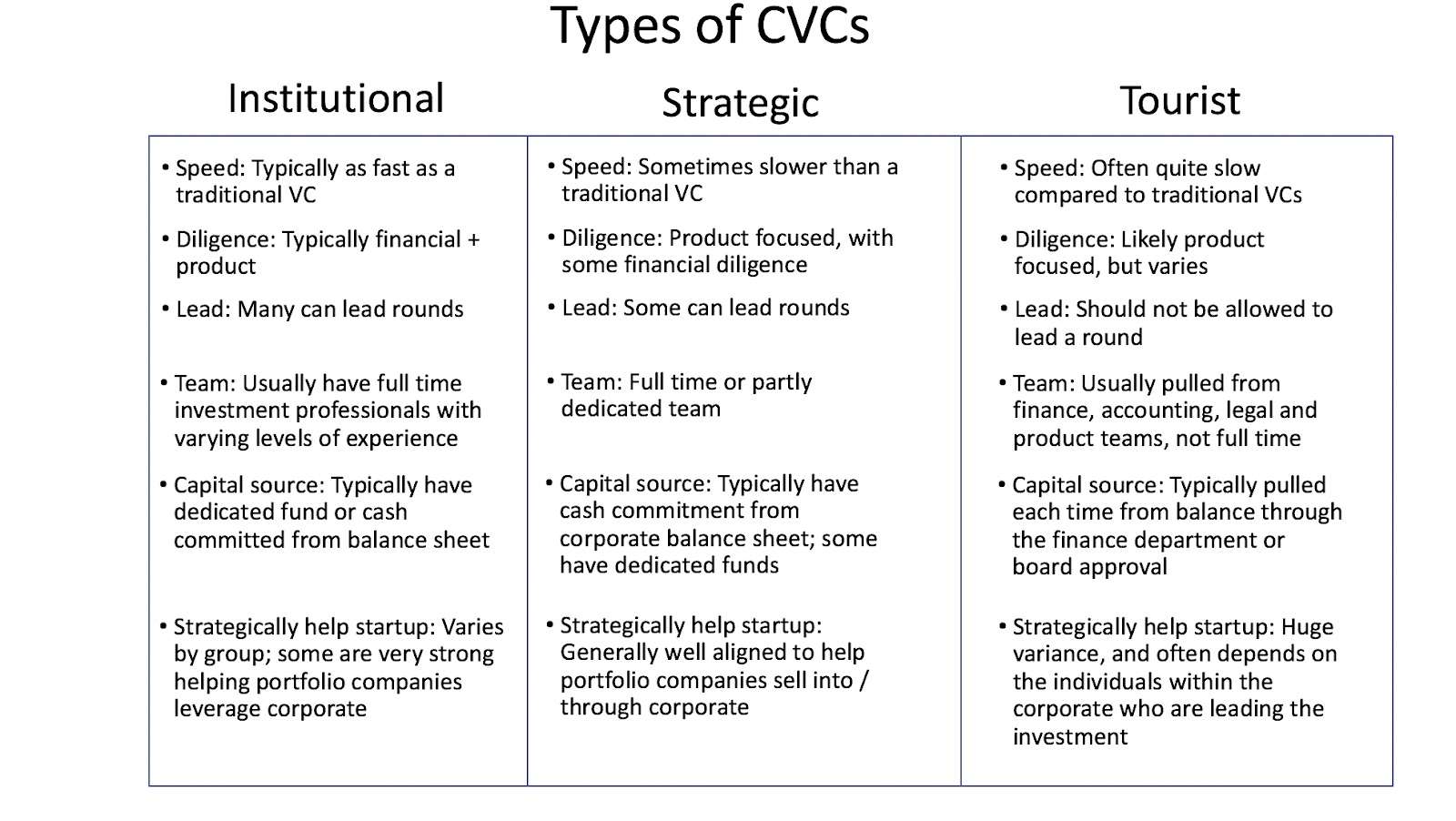
Maybe you could use some more money, distribution and partnerships these days? Those are the eternal lures of corporate venture funding sources, but each strategic VC has a different mandate. Some are there to help the parent company, some are just there to make money… and some may be on thin ice themselves given the way that they get money to invest.

If you’re taking a fresh look at getting strategic funding now, check out this set of overview articles from Bill Growney, a partner at top tech law firm Goodwin, and Scott Orn of Kruze Consulting. The first, for TechCrunch, goes over how corporate funds are typically structured (and motivated). The second, for Extra Crunch, covers questions for startup founders to anticipate and other recommendations for dealing with this type of VC.

Calm chooses a more enlightened path to growth

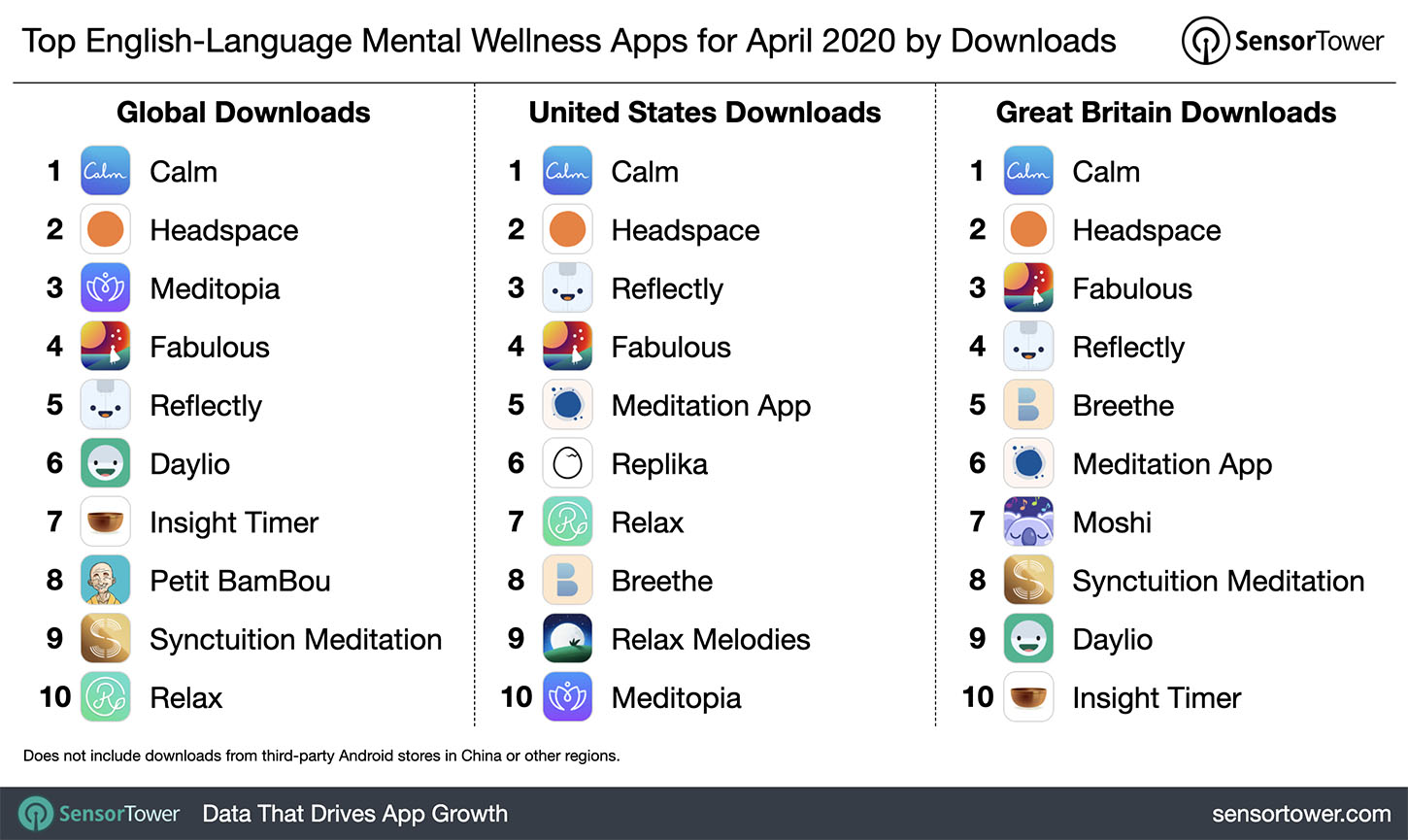
It is high times for meditation and “mindfulness” apps, as people look for ways to adjust to pandemic life. Sarah Perez, our resident app expert, took a look at a new app store analysis on TechCrunch, shredded some of the top-ranked companies for opportunistic marketing, and came away with a positive feeling about the global market leader.

Calm, meanwhile, took a different approach. It launched a page of free resources, but instead focused on partnerships to expand free access to more users, while also growing its business. Earlier this month, nonprofit health system Kaiser Permanente announced it was making the Calm app’s Premium subscription free for its members, for example — the first health system to do so.

The company’s decision to not pursue as many free giveaways meant it may have missed the easy boost from press coverage. However, it may be a better long-term strategy as it sets up Calm for distribution partnerships that could continue beyond the immediate COVID-19 crisis.

Mindfulness pays. On that note, subscribers can read her excellent This Week In Apps report every Saturday over on Extra Crunch.

Around TechCrunch

TechCrunch’s Early Stage, Mobility and Space events will be virtual, too

Win a Wild Card to compete in Startup Battlefield at Disrupt 2020

Extra Crunch Live: Join Initialized’s Alexis Ohanian and Garry Tan for a live Q&A on Tuesday at 2pm EDT/11am PDT

Join GGV’s Hans Tung and Jeff Richards for a live Q&A: June 4 at 3:30 pm EDT/12:30 pm PD

Across the week

TechCrunch

AI can battle coronavirus, but privacy shouldn’t be a casualty

Living and working in a worsening world

How to upgrade your at-home videoconference setup: Lighting edition

Equity Morning: Remote work startup fundings galore, plus a major court decision

Extra Crunch

API startups are so hot right now

Investors say emerging multiverses are the future of entertainment

Dear Sophie: Can I work in the US on a dependent spouse visa?

Fintech regulations in Latin America could fuel growth or freeze out startups

The secret to trustworthy data strategy

#EquityPod

From Natasha:

Hello and welcome back to Equity, TechCrunch’s venture capital-focused podcast, where we unpack the numbers behind the headlines. This week’s show took a break from regularly scheduled programming. Our co-host Alex Wilhelm, who usually leads us through the show, was on some much-deserved vacation, so Danny Crichton and Natasha Mascarenhas took the reigns and invited Floodgate Capital’s Iris Choi to join in on the fun. It’s Choi’s fourth time being on the podcast, which officially makes her our most tenured guest yet (in case the accomplished investor needs another bullet point on her bio page).

This week’s docket features scrappiness, a seed round and a Startup Battlefield alumnus.

Here’s what we chewed through:

  • LeverEdge raised seed funding to get you and your friends a volume discount on student loans. Fintech has been booming for years now, and startups often crop up around the painful world of student loans. Yet this startup still caught our eye, and it has a little something to do with its choice to use collective bargaining power as its modus operandi.
  • Stackin’ raised a $12.6 million Series B for a text-messaging service that connects millennials to money tips, and eventually other fintech apps. According to CEO Scott Grimes, Stackin’ wants to be the “pipes that port people around fintech.” We get into if the world needs a fintech app marketplace and how it targets younger users.
  • D-ID, a Startup Battlefield alumnus, digitally de-identifies faces in videos and still images and just raised $13.5 million. We’re all worried about our privacy concerns, so the funding news was a refreshing change of pace from the usual headlines we see around surveillance. Now the company just needs to find a successful use case beyond the goodness in people’s hearts.
  • ByteDance, the Chinese parent company that owns TikTok, hit $3 billion in net profit last year, reports Bloomberg. TikTok also recently snagged former Disney executive Kevin Mayer for its CEO. This one, as you can expect, made for an interesting conversation around privacy and bandwidth. We even asked Choi to weigh in on Donald J. Trump’s recent tweet threatening to regulate social media companies, as Floodgate was an early angel investor in Twitter.
  • We ended with a roundtable of sorts on how the future of work will look and feel in our new world, from college campuses to offices. We get into the vulnerability that comes with being on Zoom, the ever-increasing stupidity of “manels” and how tech talent might be flocking to smaller cities but investors aren’t just yet.

And that was the show! Thanks to our producer Chris Gates for helping us put this together, thanks to you all for listening in on this quirky episode and thanks to Iris Choi for always bringing a fresh, candid perspective. Talk next week.

Powered by WPeMatico

As wildfire season approaches, AI could pinpoint risky regions using satellite imagery

The U.S. has suffered from devastating wildfires over the last few years as global temperatures rise and weather patterns change, making the otherwise natural phenomenon especially unpredictable and severe. To help out, Stanford researchers have found a way to track and predict dry, at-risk areas using machine learning and satellite imagery.

Currently the way forests and scrublands are tested for susceptibility to wildfires is by manually collecting branches and foliage and testing their water content. It’s accurate and reliable, but obviously also quite labor intensive and difficult to scale.

Fortunately, other sources of data have recently become available. The European Space Agency’s Sentinel and Landsat satellites have amassed a trove of imagery of the Earth’s surface that, when carefully analyzed, could provide a secondary source for assessing wildfire risk — and one no one has to risk getting splinters for.

This isn’t the first attempt to make this kind of observation from orbital imagery, but previous efforts relied heavily on visual measurements that are “extremely site-specific,” meaning the analysis method differs greatly depending on the location. No splinters, but still hard to scale. The advance leveraged by the Stanford team is the Sentinel satellites’ “synthetic aperture radar,” which can pierce the forest canopy and image the surface below.

“One of our big breakthroughs was to look at a newer set of satellites that are using much longer wavelengths, which allows the observations to be sensitive to water much deeper into the forest canopy and be directly representative of the fuel moisture content,” said senior author of the paper, Stanford ecoydrologist Alexandra Konings, in a news release.

The team fed this new imagery, collected regularly since 2016, to a machine learning model along with the manual measurements made by the U.S. Forest Service. This lets the model “learn” what particular features of the imagery correlate with the ground-truth measurements.

They then tested the resulting AI agent (the term is employed loosely) by having it make predictions based on old data for which they already knew the answers. It was accurate, but most so in scrublands, one of the most common biomes of the American west and also one of the most susceptible to wildfires.

You can see the results of the project in this interactive map showing the model’s prediction of dryness at different periods all over the western part of the country. That’s not so much for firefighters as a validation of the approach — but the same model, given up to date data, can make predictions about the upcoming wildfire season that could help the authorities make more informed decisions about controlled burns, danger areas and safety warnings.

The researchers’ work was published in the journal Remote Sensing of Environment.

Powered by WPeMatico

Sony will show off the first PlayStation 5 games on June 4th

Sony has been dishing out details on the PlayStation 5 piece-by-piece, rather than dropping all of the details at one big mega event. First came word of the Holiday 2020 release window. Then came an overview of the specs — like that it’ll have a super-fast solid-state drive by default. Most recently, they showed off the controller. (The divvied up approach makes sense, really; with the ongoing pandemic preventing events like E3 and GDC from happening… why wouldn’t Sony work on their own schedule and make every aspect its own mini-spectacle?)

The next glimpse they give, it seems, will be of the first games coming to the console.

This morning Sony announced that they’ll be hosting a live-streamed event on June 4th at 1pm Pacific. In a blog post about the event, Sony Interactive CEO Jim Ryan clarifies the focus:

We’ve shared technical specifications and shown you the new DualSense wireless controller. But what is a launch without games?

That’s why I’m excited to share that we will soon give you a first look at the games you’ll be playing after PlayStation 5 launches this holiday.

Ryan also notes that the event should last roughly an hour, but doesn’t suggest how many different games that’ll cover.

In a video that managed to pull in millions of views, Epic Games recently gave a first look at its upcoming Unreal Engine 5 running on pre-release PS5 hardware. Given that video’s success, I’d imagine that Sony is pretty dang eager to keep the early looks coming.

Will we finally see the console hardware itself? That’s still unclear. Seeing as they’ve pieced just about everything else out, though, I’d bet they’re saving that one for an event a bit closer to launch.

Powered by WPeMatico

Jeremy Conrad left his own VC firm to start a company, and investors like what he’s building

When this editor first met Jeremy Conrad, it was in 2014, at the 8,000-square-foot former fish factory that was home to Lemnos, a hardware-focused venture firm that Conrad had co-founded three years earlier.

Conrad — who as a mechanical engineering undergrad at MIT worked on self-driving cars, drones and satellites — was still excited about investing in hardware startups, having just closed a small new fund even while hardware was very unfashionable (and remains challenging). One investment his team made around that time was in Airware, a company that made subscription-based software for drones and attracted meaningful buzz and $118 million in venture funding before shutting down in 2018.

By then, Conrad had already moved on — though not from his love of hardware. He instead decided in late 2017 that a nascent team that was camping out at Lemnos was onto a big idea relating to the future of construction. Conrad didn’t have a background in real estate or, at the time, a burning passion for the industry. But the “more I learned about it — not dissimilar to when I started Lemnos — it felt like there was a gap in the market, an opportunity that people were missing,” says Conrad from his home in San Francisco, where he has hunkered down throughout the COVID-19 crisis.

Enter Quartz, Conrad’s now 1.5-year-old, 14-person company, which quietly announced $7.75 million in Series A funding earlier this month, led by Baseline Ventures, with Felicis Ventures, Lemnos and Bloomberg Beta also participating.

What it’s selling to real estate developers, project managers and construction supervisors is really two things, which is safety and information.

Here’s how it works: Using off-the-shelf hardware components that are reassembled in San Francisco and hardened (meaning secured to reduce vulnerabilities), the company incorporates its machine-learning software into this camera-based platform, then mounts the system onto cranes at construction sites. From there, the system streams 4K live feeds of what’s happening on the ground, while also making sense of the action.

Say dozens of concrete-pouring trucks are expected on a construction site. The cameras, with their persistent view, can convey through a dashboard system whether and when the trucks have arrived and how many, says Conrad. It can determine how many people on are on a job site, and whether other deliveries have been made, even if not with a high degree of specificity.

“We can’t say [to project managers] that 1,000 screws were delivered, but we can let them know whether the boxes they were expecting were delivered and where they were left,” he explains.

It’s an especially appealing proposition in the age of coronavirus, as the technology can help convey information that’s happening at a site that’s been shut down, or even how closely employees are gathered.

Conrad says the technology also saves on time by providing information to those who might not otherwise be able to access it. Think of the developer on the 50th floor of the skyscraper that he or she is building, or even the crane operator who is perhaps moving a two-ton object and has to rely on someone on the ground to deliver directions but can enjoy far more visibility with the aid of a multi-camera set-up.

Quartz, which today operates in California but is embarking on a nationwide rollout, was largely inspired by what Conrad was seeing in the world of self-driving. From sensors to self-perception systems, he knew the technologies would be even easier to deploy at construction sites, and he believed it could make them safer, too. Indeed, like cars, construction sites are highly dangerous. According to the Occupational Safety and Health Administration, of the worker fatalities in private industry in 2018, more than 20% were in construction.

Conrad also saw an opportunity to take on established companies like Trimble, a 42-year-old, publicly traded, Sunnyvale, Calif.-based company that sells a portfolio of tools to the construction industry and charges top dollar for them. Quartz is meanwhile charging $2,000 per month per crane for its series of cameras, their installation, a live stream and “lookback” data, though this may well rise as its adds features.

It’s a big enough opportunity that, perhaps unsurprisingly, Quartz is not alone in chasing it. Last summer, for example, Versatile, an Israeli-based startup with offices in San Francisco and New York City, raised $5.5 million in seed funding from Germany’s Robert Bosch Venture Capital and several other investors for a very similar platform, though it uses sensors mounted under the hook of a crane to provide information about what’s happening below. Construction Dive, a media property that’s dedicated to the industry, highlights many other, similar and competitive startups in the space, too.

Still, Quartz has Conrad, who isn’t just any founding CEO. Not only does he have that background in engineering, but having launched a venture firm and spent years as an investor may also serve him well. He thinks a lot about the payback period on its hardware, for example.

Unlike a lot of founders, he even says he loves the fundraising process. “I get the highest-quality feedback from some of the smartest people I know, which really helps focus your vision,” says Conrad, who says that Quartz, which operates in California today, is now embarking on a nationwide rollout.

“When you talk with great VCs, they ask great questions. For me, it’s the best free consulting you can get.”

Powered by WPeMatico


Aaron Levie: ‘We have way too many manual processes in businesses’

Box CEO Aaron Levie has been working to change the software world for 15 years, but the pandemic has accelerated the move to cloud services much faster than anyone imagined. As he pointed out yesterday in an Extra Crunch Live interview, who would have thought three months ago that businesses like yoga and cooking classes would have moved online — but here we are.

Levie says we are just beginning to see the range of what’s possible because circumstances are forcing us to move to the cloud much faster than most businesses probably would have without the pandemic acting as a change agent.

“Overall, what we’re going to see is that anything that can become digital probably will be in a much more accelerated way than we’ve ever seen before,” Levie said.

Fellow TechCrunch reporter Jon Shieber and I spent an hour chatting with Levie about how digital transformation is accelerating in general, how Box is coping with that internally and externally, his advice for founders in an economic crisis and what life might be like when we return to our offices.

Our interview was broadcast on YouTube and we have included the embed below.


Just a note that Extra Crunch Live is our new virtual speaker series for Extra Crunch members. Folks can ask their own questions live during the chat, with past and future guests like Alexis Ohanian, Garry Tan, GGV’s Hans Tung and Jeff Richards, Eventbrite’s Julia Hartz and many, many more. You can check out the schedule here. If you’d like to submit a question during a live chat, please join Extra Crunch.


On digital transformation

The way that we think about digital transformation is that much of the world has a whole bunch of processes and ways of working — ways of communicating and ways of collaborating where if those business processes or that way we worked were able to be done in digital forms or in the cloud, you’d actually be more productive, more secure and you’d be able to serve your customers better. You’d be able to automate more business processes.

We think we’re [in] an environment that anything that can be digitized probably will be. Certainly as this pandemic has reinforced, we have way too many manual processes in businesses. We have way too slow ways of working together and collaborating. And we know that we’re going to move more and more of that to digital platforms.

In some cases, it’s simple, like moving to being able to do video conferences and being able to collaborate virtually. Some of it will become more advanced. How do I begin to automate things like client onboarding processes or doing research in a life sciences organization or delivering telemedicine digitally, but overall, what we’re going to see is that anything that can become digital probably will be in a much more accelerated way than we’ve ever seen before.

How the pandemic is driving change faster

Powered by WPeMatico

Salesforce stock is taking a hit today after lighter guidance in yesterday’s earning’s report

In spite of a positive quarter with record revenue that beat analysts’ estimates, Salesforce stock was taking a hit today because of lighter guidance. Wall Street is a tough audience.

The stock was down $8.29/share, or 4.58%, as of 2:15 pm ET.

The guidance, which was a projection for next quarter’s earnings, was lighter than what the analysts on Wall Street expected. While Salesforce was projecting revenue for next quarter in the range of $4.89 to $4.90 billion, according to CNBC, analysts had expected $5.03 billion.

When analysts see a future that is a bit worse than what they expected, it usually results in a lower stock price, and that’s what we are seeing today. It’s worth noting that Salesforce is operating in the same economy as everyone else, and being a bit lighter on your projections in the middle of a pandemic seems entirely understandable.

In yesterday’s report, CEO Marc Benioff indicated that the company has been offering some customers some flexibility around payment as they navigate the economic fallout of COVID-19, and the company’s operating cash took a bit of a hit because of this.

“Operating cash flow was $1.86 billion, which was largely impacted by delayed payments from customers while sheltering in place and some temporary financial flexibility that we granted to certain customers that were most affected by the COVID pandemic,” president and CFO Mark Hawkins explained in the analyst call.

Still, the company reported revenue of $4.87 billion for the quarter, putting it on a run rate of $19.48 billion.

In a statement, David Hynes, Jr. of Canaccord Genuity remained high on Salesforce. “If you step back and think about what Salesforce is actually providing, tools that help businesses get closer to their customers are perhaps more important than ever in a slower-growth, socially distanced world. We have long reserved a spot for CRM among our top names in large cap, and we feel no differently about that view after what we heard last night. This is a high-quality firm with many levers to growth, and as such, we believe CRM is a good way to get a bit of defensive exposure to the favorable trends at play in software.”

The company is, after all, still firmly on the path to $20 billion in revenue. As Hynes points out, overall the kinds of tools that Salesforce offers should remain in demand as companies look for ways to digitally transform much more rapidly in our current situation, and look to companies like Salesforce for help.

Powered by WPeMatico

The best investment every digital brand can make during the COVID-19 pandemic

Steve Tan
Contributor

Steve Tan is a Singapore-based serial entrepreneur and full-stack digital marketer with over 14 years of hands-on experience who is also the CEO and founder of Super Tan Brothers Pte. Ltd, which operates e-commerce, software, logistics, marketing, educational and investment companies around the globe.

Intuitively, stores that sell online should be making a killing during the COVID-19 pandemic. After all, everyone is stuck at home — and understandably more willing to shop online instead of at a traditional retailer to avoid putting themselves and others at medical risk. But the truth is, most smaller online stores have seen better days.

The primary challenge is that smaller shops often don’t have the logistics networks that companies like Amazon do. Consequently, they’re seeing substantially delayed delivery timelines, especially if they ship internationally. Customers obviously aren’t thrilled about that reality. And in many cases, they’re requesting refunds at a staggering rate.

I saw this play out firsthand in April. At that point, my stores were down 20% or in some cases even 30% in revenue. Needless to say, my team was freaking out. But there’s one thing we did that helped us increase our revenue over 200% since the pandemic, decrease refund requests and even strengthen our existing customer relationships.

We implemented a 24-hour live chat in all of our stores. Here’s why it worked for us and why every digital brand should be doing it too.

Avoid the common ‘unreachability’ frustration

When I started my first online store in 2006, challenges that bogged my team down often meant that my team’s first priority became resolving those challenges so that we could serve our customers faster. But admittedly, when these challenges came up, it became more difficult to balance communicating with our customers and resolving the issues that prevented us from fulfilling their orders quickly.

Powered by WPeMatico

Bunq adds donations to charities and tests redesign

Challenger bank Bunq is adding a new feature that lets you donate to charities directly from the app. In addition to that, Bunq is also in the process of redesigning its app. The company is launching a public beta test to get feedback from its users.

Other fintech startups, such as Revolut and Lydia, have launched donation features in the past. But in those cases, startups have selected a handful of charities.

Bunq has chosen a different approach, as you can create your own donation campaigns in the app. As long your local charity has an IBAN number, you can add it to Bunq’s donation feature. You can even add a local business in case you want to help them stay in business.

You can then invite other people to donate to your charities. You can also track the total amount of your donations, as well as the total donations from the entire Bunq user base.

The company has also been working on the third major version of the app. In order to test it before the public release, Bunq is launching a public beta program. The first build will roll out in the coming weeks.

In order to simplify navigation, Bunq has tried to remove clutter by focusing on one main button on each page. The app will be divided in four main tabs.

The first tab, called “Me,” will feature all your personal information — personal bank accounts, savings goals, etc. On the second tab, called “Us,” you can see information about Bunq, such as total investments and total donations. The third tab features your profile information.

Finally, the fourth tab is a dedicated camera button. It lets you scan invoices and receipts, which could be particularly useful for business customers. I’m not sure a lot of people use that feature, but things could still change before the final release.

Powered by WPeMatico